Rottweiler Puppy Training Timeline: 8 Weeks to 2 Years

General training information. Every dog is an individual; for health or behavior concerns, see your veterinarian.
A Rottweiler puppy is a cuddly, clumsy ball of fluff for about five minutes. Then it is a 100-pound adult who can move you across the room. That is why Rottweiler puppy training has to start early and never really stop.
This guide walks through the first two years in order. You will find a rough Rottweiler puppy training schedule, practical Rottweiler puppy training tips for each stage, and honest notes on what is hard about this breed. For the full foundation, see our complete guide to training a Rottweiler.

Key takeaways
- The American Rottweiler Club says training must start early and continue for life, because of the adult dog's size and strength.
- Socialization and a puppy class come first. The club recommends a group class with an experienced trainer who uses positive reinforcement.
- Roughhousing may encourage aggression, according to the AKC. Teach calm games and a gentle mouth instead.
- The protective instinct becomes apparent with maturity, so the groundwork you lay as a puppy matters later.
- Official health screens for hips, elbows, eyes and heart are done at 24 months or older. Questions about growth and joints go to your veterinarian.
- Every dog is different. Treat the ages below as a framework, not a deadline.
In this guide
- How to use this timeline
- Weeks 8 to 12: the first month at home
- Months 3 to 6: manners and impulse control
- Months 6 to 12: adolescence
- Year 1 to 2: slow maturity
- A sample daily training schedule
- Common mistakes and when to get help
- Sources
How to use this timeline
No official source publishes a fixed calendar of what a Rottweiler should learn and when. What the AKC and the American Rottweiler Club (ARC) do give us is a clear direction: train early, socialize the puppy, take a class, and keep going for life. The month markers below are our way of organizing that advice so it is easy to follow.
Some puppies will move faster. Some will take longer. The AKC rates the breed 5 of 5 for trainability, on a scale where 5 means eager to please. It also notes that some Rottweilers may be stubborn. Both can be true in the same household, and sometimes in the same afternoon.
The method: reward-based and calm
Everything here uses rewards, not force. That matches the American Veterinary Society of Animal Behavior (AVSAB) position. It also matches what the breed's own club says. The ARC advises owners to avoid very rough trainers and says sensitive, positive methods, time and patience matter more than physical mastery. Its trainer guide lists prong, choke and electronic collars as tools you do not want to see in a class.
The AKC says discipline should be consistent, fair and firm, without being rough. In practice that means clear rules, the same rules every day, and a calm voice. Firm does not mean harsh.
What the breed brings to training
The AKC lists Rottweilers as a Working Group breed, recognized in 1931. They descend from Roman drover dogs and were used in the German town of Rottweil to drive cattle and guard their owners' money and property. The AKC scores the breed 5 of 5 for mental stimulation needs, on a scale where 5 means the dog needs a job or activity. It also scores them 5 of 5 for watchdog and protective nature.
Those two numbers explain a lot. A bored, under-trained Rottweiler will invent its own job. The ARC says puppies and adults need socialization, exercise and mental challenges, or they may become destructive.
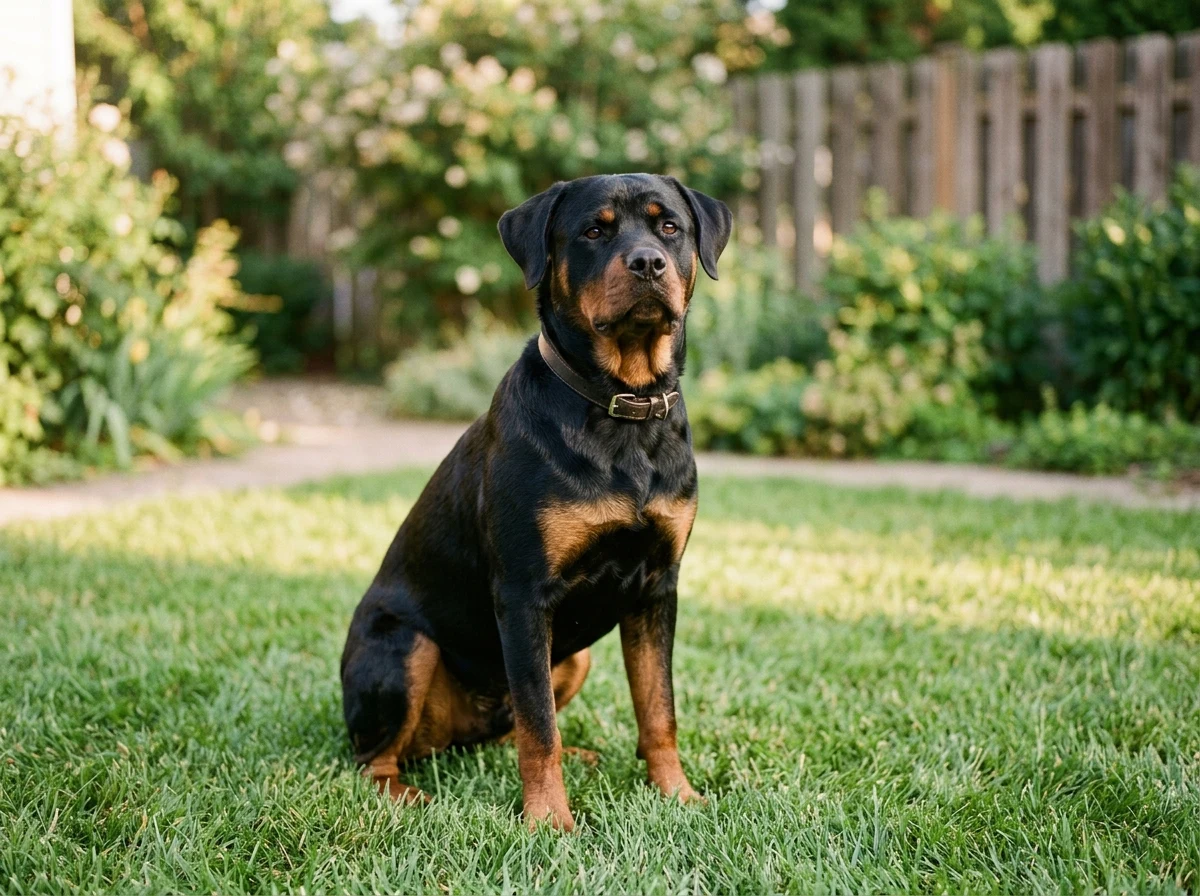
Weeks 8 to 12: the first month at home
This is the stage where Rottweiler puppy training begins in earnest. Your goals are simple: build trust, set up routines, start socialization and teach a few easy cues.
What a healthy puppy looks like
The ARC describes a well-adjusted puppy as playful, inquisitive and trusting, one that accepts gentle handling. Practice that handling daily. Touch the paws, ears, mouth and tail for a moment, then give a treat. This makes vet visits and grooming far easier later.
Socialization
The AKC lists puppy socialization among the first things to do with this breed, and the ARC recommends a Puppy Kindergarten class for it. Aim for many calm, positive first experiences: different floors, car rides, new people, household noises and gentle handling.
Keep it low pressure. A puppy should be curious, not flooded. If your puppy freezes or tries to hide, move back, let it watch from a distance and reward calm behavior. Ask your veterinarian which places are safe before your puppy's vaccinations are complete. We are not going to guess at that timing for you.
The AKC describes the breed's territorial instincts as needing early training and socialization. The ARC also says strangers must not enter the home or yard unannounced. So practice friendly, structured greetings now. Visitors ask first, the puppy sits, and the puppy is rewarded for calm.
House training
House training works the same way for every breed, and nothing in the breed sources changes the basics.
- Take the puppy out on a regular rhythm: after waking, after meals, after play and before bed.
- Go to the same spot and say the same cue.
- Reward right there, as it finishes, not back inside.
- Supervise indoors. Use a crate or pen when you cannot watch.
- Clean accidents with an enzyme cleaner and never punish. Punishment teaches a puppy to hide, not to wait.
The AKC notes that Rottweilers are people dogs who do poorly when isolated from humans. A crate is a safe resting place, not a place to park the puppy for hours. If your day is long, plan for a break in the middle.
Bite inhibition
All puppies mouth. A Rottweiler puppy's mouth will be a bigger problem as it grows, so start teaching a soft mouth now.
- When teeth touch skin, say "ouch" in a calm voice and stop the game for a few seconds.
- Offer a chew toy instead and praise when the puppy takes it.
- Reward gentle licks and soft takes of treats.
- If the puppy gets wound up, end the game and give a rest.
Do not grab the muzzle, flip the puppy or use other physical corrections. Those methods can frighten a puppy and damage trust. The AKC also warns that roughhousing may encourage aggression, so skip the wrestling. Tug with rules, fetch and food puzzles are better outlets.
The ARC advises discouraging jumping on and grabbing at children while the puppy is small. An adult may reach 100 pounds, so the habit matters now. Supervise every puppy and child interaction.
First cues to teach
Start with the puppy's name, sit, down, come and a settle on a mat. Keep sessions to a few minutes and end on a win. Short and happy beats long and frustrating every time.
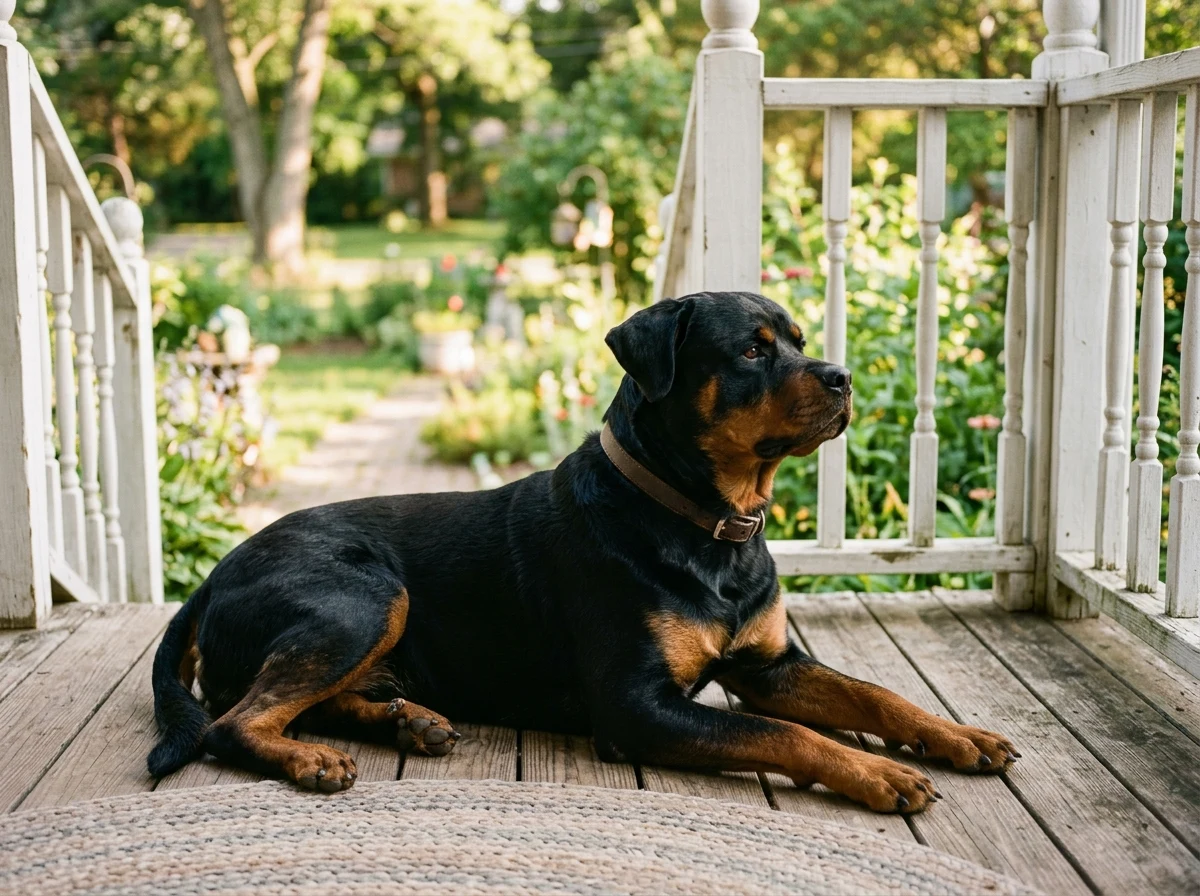
Months 3 to 6: manners and impulse control
The puppy is now bigger, bolder and more physical. This is a good stretch for a structured group class. The ARC says obedience training is a must and recommends a class with an experienced trainer who uses positive reinforcement.
Class and cues
In class and at home, build on the basics:
- Leash manners: reward the puppy for staying near you. Stop and wait when the leash goes tight. Start in a quiet place and add distractions slowly.
- Wait and leave it: these are impulse-control cues, and they matter for a strong dog. Practice at doors, food bowls and car doors.
- Recall: practice on a long line in a safe area. Reward every return with something the puppy loves.
- Settle: teach the puppy to lie on a mat while you eat, work or have guests over.
Meeting other dogs and pets
The ARC says puppies adapt more easily to resident dogs and cats than young adults or mature dogs do. If you have other pets, introduce them early, calmly and with supervision. The ARC also lists dog-to-dog aggression and same-sex intolerance as breed challenges, and the AKC rates the breed 3 of 5 for getting along with other dogs, meaning with supervision. Choose playmates carefully and end play before it gets rough.
Teething and chewing
Expect chewing. Provide safe chew items, rotate toys and keep shoes and cords out of reach. A tired puppy with a job chews less. Short training games count as a job.
Exercise at this age
The AKC says Rottweilers need daily exercise and enjoy swimming, walking and trotting with people. The sources we use do not give a breed-specific exercise plan for growing puppies, and we found no breed-specific guidance on growth-plate timing. Ask your veterinarian how much and what kind of activity suits your puppy's age and build. Avoid hard, repetitive exercise until your vet says it is appropriate.
The ARC also says a yard, ideally with a six-foot fence, is recommended and is essential for a puppy or young dog. The club adds that a Rottweiler must never run loose.
One more safety note. The ARC lists heat stroke susceptibility for the breed, noting the black coat and short muzzle. Exercise in cooler hours, offer water and shade, and call your vet right away if you are worried about overheating.
Months 6 to 12: adolescence
Welcome to the teenage phase. Your once-eager puppy may suddenly act as if it has never heard "sit" in its life. This is normal for young dogs, and it is not a reason to get tougher. It is a reason to get more consistent.
Testing and bluffing
The ARC notes that Rottweilers have a strong territorial instinct and may try to bully or bluff owners. It says this should be addressed while the dog is a young puppy. In plain terms: if your adolescent blocks a doorway, guards a toy or grumbles when you reach for something, do not escalate with force. Trade up, redirect and reward the behavior you want. Keep the rules the same every day.
If you see growling over food or objects, or any behavior that worries you, get help from a qualified trainer who uses reward-based methods. If you think pain or illness may be involved, see your veterinarian first.
Herding and bumping
The ARC describes bumping and herding of children or elderly family members as a legacy of the breed's cattle-driving past. Teach children not to run and squeal at the dog. Teach the dog to settle when the family is busy. The ARC also says the breed is not recommended for the elderly or physically infirm, because a Rottweiler can knock a person down.
Keep socializing
Socialization is not a one-time window you finish and forget. Keep taking your dog to new places, with good manners and good rewards. Practice calm walks past people, dogs and noises. The AKC rates the breed 3 of 5 for openness to strangers, on a scale where 3 means ambivalent. That is a reminder that many Rottweilers are not everyone's best friend, and that is fine. The goal is a neutral, polite dog, not a dog that must greet everyone.
Keep the brain busy
Adolescence is a great time to add a new activity. The ARC supports agility, barn hunt, carting, coursing ability, herding, obedience, rally, tracking and therapy dog work, among others. The AKC also lists carting, herding, tracking and obedience. Pick one that fits your life, and check the ARC or the AKC for how to get started.
Year 1 to 2: slow maturity
Many people think the work is done at one year. With a Rottweiler, it usually is not. The ARC says the protective instinct becomes apparent with maturity, which means the dog you have at 18 months may be more serious and watchful than the puppy you started with. The AKC standard describes the breed as calm, confident and courageous, with a self-assured aloofness and an inherent desire to protect home and family.
Keep the routines
Do not drop the cues you taught. Review them regularly, in new places and with new distractions. Keep your dog's leash manners, recall on a long line and settle on a mat sharp. The ARC says training must continue for life, and this stage is where that advice pays off.
House rules for a protective dog
- Teach a reliable cue for visitors, such as "go to your mat."
- Manage the front door, the gate and the car. Use a leash, a gate or a crate when guests arrive.
- Do not encourage guarding or barking at passersby. The AKC rates the breed 1 of 5 for barking, meaning it mostly barks only to alert, so excessive barking is worth looking into.
- Never let the dog run loose.
Health checks and the 24-month mark
Official breed screens come later than most people expect. The ARC health statement says the club's screens for hips, elbows, eyes and heart are done at 24 months or older. According to OFA and CHIC, the Rottweiler list includes hip and elbow evaluations, an eye exam by an ACVO ophthalmologist once the dog is 24 months old, and a cardiac evaluation, with a minimum age of 24 months per the ARC. A JLPP DNA test is optional for CHIC.
This matters for owners too. The ARC lists hip and elbow dysplasia, cancers, eye conditions, subaortic stenosis and several DNA-testable conditions among the breed's health concerns. We cannot diagnose or advise on any of them. Talk to your veterinarian about your dog's joints, weight and any limping or changes in behavior.
The AKC also cites research linking cancer and longevity to keeping dogs intact until at least six years. That is the AKC's summary of one research program, not settled guidance. Discuss timing for spay or neuter with your veterinarian. The AKC lists a Rottweiler's life expectancy as 9 to 10 years, so planning your dog's care thoughtfully is worth the time.
Size
Weights vary by source. The AKC lists 95 to 135 pounds for males and 80 to 100 for females. The ARC lists 95 to 125 pounds for males and 75 to 95 for females. The AKC gives height as 24 to 27 inches for males and 22 to 25 inches for females. Your own dog may land anywhere within or near those ranges, and your vet can tell you what a healthy weight looks like for your dog.
A sample daily training schedule
Here is a simple Rottweiler puppy training schedule you can adapt. It is not a prescription. Adjust it to your puppy's age, your vet's advice and your own day.
| Time of day | What to do |
|---|---|
| Morning | Potty trip, breakfast, a short training game (name, sit, down), then a walk or play |
| Midday | Potty trip, a chew or food puzzle, a short skill session such as leave it or recall |
| Afternoon | Potty trip, supervised play or a gentle outing, then rest in a crate or pen |
| Evening | Dinner, a handling and grooming practice session, a calm settle on a mat |
| Bedtime | Last potty trip, then bed in a safe space |
A few rules of thumb:
- Many short sessions beat one long one.
- Always end on something the puppy can do.
- Use part of the daily food ration as training treats.
- Rest is part of training. A tired puppy often acts out, so build in naps.
Common mistakes and when to get help
Mistakes to avoid
- Waiting too long. The AKC and the ARC both say to start early.
- Roughhousing. The AKC says it may encourage aggression.
- Using harsh tools or methods. The ARC's trainer guide lists prong, choke and electronic collars as tools to avoid. We also advise against alpha rolls, scruffing and dominance methods, in line with AVSAB.
- Isolating the dog. The AKC says the breed does poorly away from people.
- Skipping socialization after puppyhood. Keep it going through adolescence.
- Underestimating the strength. Teach polite habits while the dog is small enough to manage easily.
When to get help
Reach out to a qualified, reward-based trainer if you see fear, resource guarding, aggression toward people or dogs, or if you simply feel out of your depth. The ARC's guide on finding a good dog trainer is a useful place to start. Call your veterinarian about sudden behavior changes, since pain and illness can look like bad behavior.
Final thought
A Rottweiler can be a loyal, loving and confident companion, which is how the AKC sums up the breed. Getting there takes time. Start early, stay calm and consistent, reward what you want, and keep going well past the puppy stage. For more detail on any of these steps, return to the complete Rottweiler training guide.
Sources
- AKC Rottweiler breed page
- AKC Official Standard of the Rottweiler
- American Rottweiler Club, Owning a Rottweiler
- American Rottweiler Club, About the Rottweiler
- American Rottweiler Club, Rottweiler Breed Health
- American Rottweiler Club, How to Find a Good Dog Trainer
- American Rottweiler Club, Work and Play
- OFA / CHIC Browse by Breed: Rottweiler
- American Rottweiler Club health statement